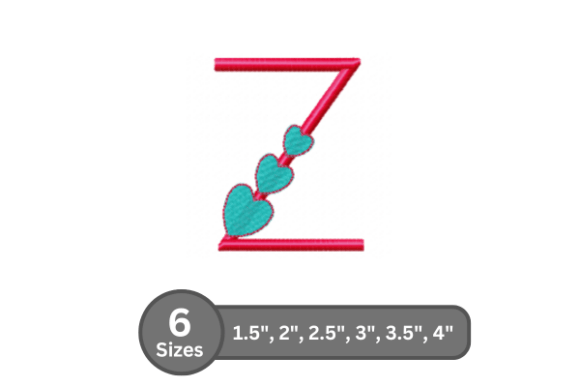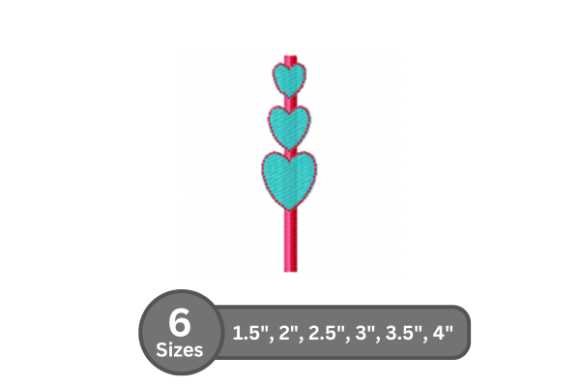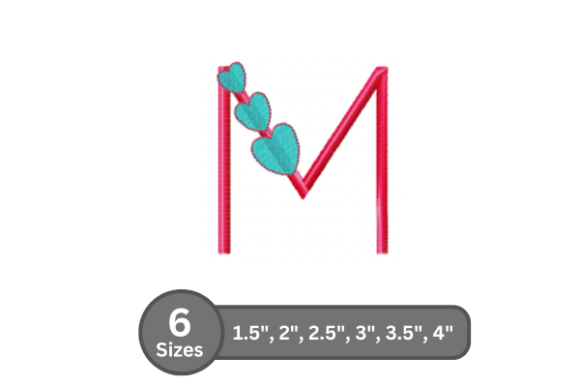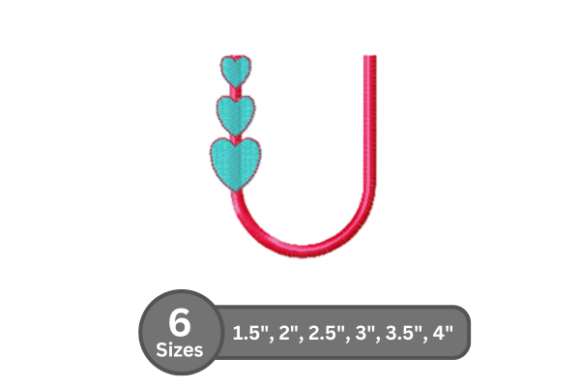
Candy Heart Alphabet -R: A Designer’s Review
As an embroidery designer who has digitized and tested thousands of fonts for commercial production, I approach every new machine embroidery design with a critical eye. When planning inventory for a personalized gift shop, we cannot rely solely on how a design looks in software; we must know how it performs under the needle and, ultimately, in the hands of a customer. Today, I am reviewing the Candy Heart Alphabet -R to determine its viability for our upcoming line of custom keepsakes. This fill stitch embroidery font promises smooth stitching and professional results, but does it hold up when applied to real-world products like baby blankets, kitchen towels, and wedding gifts? Here is my practical assessment from the studio floor.
First Impressions: Mood and Emotional Appeal
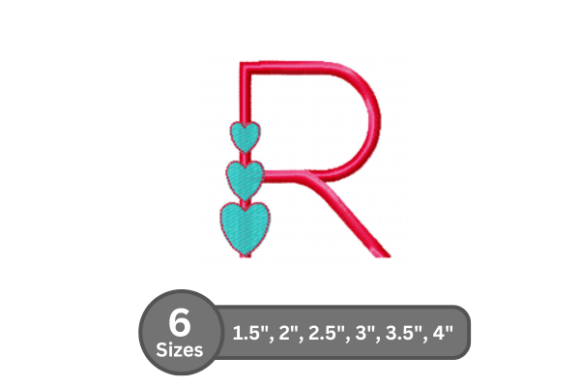
Upon loading the embroidery file, the first thing that strikes me is the immediate emotional resonance. The Candy Heart Alphabet -R carries a distinct mood that balances nostalgia with modern sweetness. It does not feel overly juvenile or strictly seasonal; rather, it possesses a timeless charm that feels inherently handmade. For an Etsy seller or small shop product creator, this aesthetic is gold. It evokes feelings of warmth, affection, and care, which are exactly the emotions customers want to convey through a personalized gift.
The letterforms appear soft yet structured. As a fill stitch design, it avoids the stark rigidity of standard block letters while maintaining enough definition to be legible at various sizes. This visual softness makes it particularly suitable for items intended for women and children, though its classic proportions allow it to work beautifully on unisex family heirlooms as well. From a design perspective, it signals to the buyer that this item was crafted with intention, elevating the perceived value of the finished product before they even touch the fabric.
Real-World Application: From Nursery to Wedding
In my test run, I evaluated the Candy Heart Alphabet -R across three distinct categories that drive sales in our shop: baby embroidery, home textiles, and wedding keepsakes. Each category demands different performance metrics from a digital embroidery file.
Baby Embroidery and Nursery Decor
For baby blankets and nursery pillow covers, safety and comfort are paramount. I tested this font on minky and cotton interlock. The fill stitch construction is excellent here because it lays flat against the skin, avoiding the scratchy texture sometimes associated with dense satin stitches. The playful yet elegant nature of the Candy Heart Alphabet -R makes it ideal for naming blankets or creating "first initial" monograms for crib sheets. Customers looking for baby shower gifts are often drawn to designs that look sweet without being cartoonish, and this font hits that mark perfectly.
Kitchen Towels and Aprons
Personalized towels are a staple for any handmade product business. I stitched out the letter R on a flour sack towel and a terry cloth hand towel. The design’s density provided good coverage without causing puckering, which is a common issue with fill stitches on toweling. For aprons, the font offers a lovely contrast to utilitarian fabrics, turning a simple kitchen tool into a thoughtful Mother’s Day or hostess gift. The readability remains high even when using tone-on-tone thread colors, ensuring the personalization is visible but subtle.
Wedding Gifts and Keepsakes
While "candy heart" might suggest Valentine's Day, the typography is refined enough for wedding gifts. I envision this working beautifully on ring bearer pillows, bridal tote bags, or personalized hankies. The romantic undertone pairs exceptionally well with lace, linen, and silk. For wedding gift designers, having a versatile font that can transition from a bachelorette party tote to a formal anniversary frame is essential for maximizing the utility of your design library.
Technical Considerations and Fabric Limitations
No machine embroidery design is universal. During my testing phase, I identified specific scenarios where the Candy Heart Alphabet -R requires extra attention. Understanding these limitations prevents wasted materials and unhappy customers.
- Textured Fabrics: On high-pile fabrics like thick terry or faux fur, the fill stitch may get lost. You must use a water-soluble topping to keep the stitches above the nap. Without it, the delicate details of the candy heart shape will sink into the fabric texture.
- Stretchy Materials: When embroidering on baby onesies or knitwear, the stabilizer choice is non-negotiable. Because this is a fill stitch, it has more pull than a running stitch. Use a cut-away stabilizer to prevent distortion. Always test on a scrap piece of the exact garment material first.
- Small Lettering: While versatile, verify the minimum size before scaling down. Fill stitches require a certain width to maintain structural integrity. If resized too small for a cuff or tag, the stitches may clump or break. Check your software’s recommended minimum height for this specific embroidery file.
- Dark Fabrics: Contrast is key. On dark navy or black fabric, ensure your thread color provides sufficient pop. Pastel threads (common with this style) may require an underlay or a double pass to appear vibrant against dark backgrounds.
Elevating Product Value and Customer Trust
Why does the choice of font matter to your bottom line? In the world of custom embroidery, the typeface communicates quality. The Candy Heart Alphabet -R contributes to a cohesive brand identity that screams "boutique" rather than "mass-produced." When photographing finished products for listings, this font photographs exceptionally well. Its unique shape creates natural shadows and highlights that add depth to product images, making them stand out in a crowded Etsy feed.
Furthermore, using a professionally digitized font builds trust. Customers can tell when stitches are jagged, gapping, or poorly planned. Smooth stitching translates directly to perceived durability. When a customer receives a blanket where the lettering feels secure and looks pristine, they are more likely to leave a positive review and return for future purchases. For digital product sellers offering printable mockups, this font’s distinct silhouette makes it easy for buyers to visualize the final result, reducing hesitation at checkout.
Essential Production Notes for Makers
Before adding the Candy Heart Alphabet -R to your permanent rotation or selling products featuring it, adhere to these professional best practices:
- Verify Licensing: Always confirm the commercial licensing terms included with your purchase. Ensure you have the right to sell finished physical products or, if applicable, use the design in digital previews. Never assume usage rights.
- Stabilizer Matching: Create a cheat sheet for this font. Note which stabilizer works best for cotton, linen, knits, and towels. Consistency in stabilization ensures consistent results across different orders.
- Hoop Size Confirmation: Check the dimensions of the letter R against your available hoops. If you plan to combine it with other elements or spell full names, calculate the total field size to avoid re-hooping mid-design, which risks alignment errors.
- Thread Color Testing: Stitch out samples in your top-selling thread colors. Some shades may blend too much with the fill pattern or create unwanted contrast. Build a curated palette specifically for this font to streamline production.
- Wash Testing: If selling items meant for frequent washing like bibs or towels, wash your test sample three times. Inspect the edges of the fill stitch for fraying or pulling. Professional results must endure the lifecycle of the product.
The Candy Heart Alphabet -R is more than just a decorative element; it is a reliable tool for creating meaningful connections through thread. By respecting its technical requirements and leveraging its emotional appeal, makers can transform simple textiles into cherished heirlooms. Whether you are fulfilling a rush order for a wedding gift or building stock for a craft fair, this design offers the versatility and charm necessary to grow a sustainable embroidery business.