Decorative Shape Outline Set: A Designer’s Review
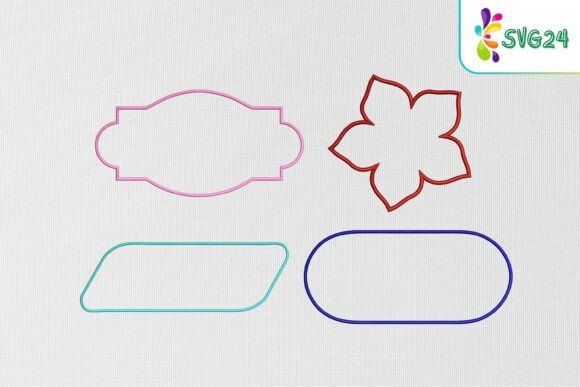
As an embroidery professional who constantly evaluates digitizing quality for commercial and personal projects, I approach every new machine embroidery design with a critical eye. When I first loaded the Decorative Shape Outline Set into my software, I wasn't looking for flashy complexity; I was looking for structural integrity. This pack promises four distinct outlines—a floral shape, decorative label, rounded rectangle, and smooth oval—and my immediate assessment is that these are foundational assets rather than standalone artwork. They possess a clean, minimalist elegance that suggests they were digitized with precision stitching in mind, avoiding the jagged edges or gap issues that often plague generic shape packs.
The mood this set creates is one of refined versatility. In the world of custom apparel and handmade products, we often struggle to find frames that enhance text or monograms without overpowering them. These shapes feel like they belong on high-end boutique merchandise or thoughtful personalized gifts. The floral shape offers a soft, organic boundary perfect for nursery items or wedding goods, while the rounded rectangle and smooth oval provide the geometric stability needed for corporate branding or modern home decor. As a reviewer, I appreciate that the digitizer has prioritized clean stitch paths over unnecessary density, which is crucial when working with varied fabric textures.
Real-World Application: Stitching a Custom Tote Bag
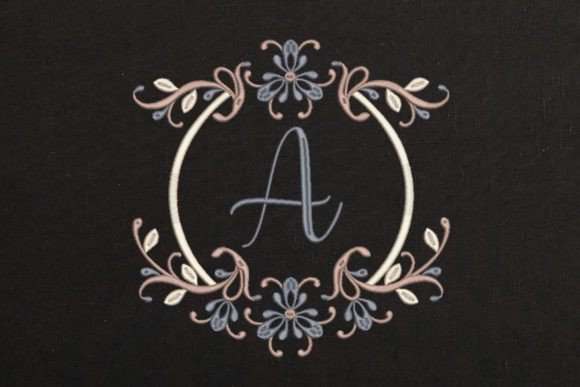
To truly evaluate the Decorative Shape Outline Set, I moved beyond the screen and tested it in a real-life production scenario. My current project involves creating a line of premium canvas tote bags for a local farmer’s market vendor. She needed a logo frame that felt artisanal yet legible from a distance. I selected the decorative label outline from this set to frame her business name.
During the stitching process, the performance was impressive. Canvas can be unforgiving; heavy fabric texture often causes registration issues where outline stitches fail to meet fill areas. However, the satin stitch borders in this design maintained consistent width and coverage. There was no puckering, even on medium-weight canvas, indicating appropriate stitch density and adequate underlay. The result was a crisp, professional frame that elevated the perceived value of the bag immediately. For any Etsy seller or small shop product creator, this level of reliability is non-negotiable. Customers judge quality by the sharpness of these details, and this design delivered a finished look that justified a higher price point.
Versatility Across Projects and Products
Beyond tote bags, I can see the Decorative Shape Outline Set performing exceptionally well across a wide spectrum of embroidery projects. The smooth oval is an ideal candidate for baby embroidery on onesies or bibs, where space is limited and softness is key. Because the outlines are not overly dense, they won’t create a stiff, bulletproof patch on delicate infant fabrics. Similarly, the rounded rectangle serves as an excellent container for names on sweatshirt embroidery or crewnecks, providing a structured backdrop that keeps lettering aligned and readable.
For those in the commercial embroidery space, these shapes act as reliable workhorses. They are perfect for creating uniform branding on aprons, kitchen towels, and caps. I also envision using the floral shape for holiday embroidery on gift sacks or ornament blanks. The beauty of this set lies in its adaptability; it functions equally well as a subtle accent on a pillow cover or a bold statement on an embroidered patch. For digital product sellers, these clean lines translate beautifully into printable mockups, allowing you to showcase potential colorways and layouts to clients before a single needle penetrates fabric.
Navigating Fabric Limitations and Hoop Constraints
While the digitizing quality is high, practical application requires awareness of material limitations. When using the Decorative Shape Outline Set on stretchy knits or performance wear, you must use appropriate stabilizer. Even perfectly digitized outlines can distort if the fabric shifts during stitching. I recommend testing on scrap fabric first, especially when working with dark fabrics where thread tension issues become more visible. If you plan to layer these shapes with intricate fill stitch interiors, ensure your machine’s tension is balanced to prevent the outline from being swallowed by the fill.
Be mindful of hoop size and placement. While these shapes are versatile, resizing them drastically can alter stitch characteristics. Enlarging a satin stitch border too much may cause looping, while shrinking it excessively could lead to thread breaks or loss of detail. Always verify the dimensions against your specific hoop capabilities. Additionally, consider the end-use care; if the finished product will undergo frequent industrial washing, such as restaurant linens or medical scrubs, test the design’s durability first. Outline stitches generally hold up well, but verifying wash fastness ensures customer trust and reduces returns.
Elevating Brand Value and Customer Perception
In the competitive landscape of handmade goods and craft business ventures, visual consistency builds brand recognition. Using a cohesive set of shapes like this helps establish a signature style across your product line. When a customer sees your tote bag design, then later encounters your tea towels featuring the same elegant framing, it reinforces professionalism and attention to detail. This psychological cue signals that you are running a legitimate operation, not just a hobbyist experimenting with random files.
Furthermore, clean outlines directly impact giftability. Whether you are selling design assets to other makers or retailing physical goods, the absence of jump stitches, trims, and registration errors makes the item feel premium. Buyers engage more readily with products that look intentional. The Decorative Shape Outline Set facilitates this by providing a polished foundation that allows your customization—be it a name, date, or logo—to shine without technical distractions.
Essential Notes for Embroidery Professionals
Before integrating this digital embroidery file into your production workflow, adhere to these professional best practices:
- Verify Specifications: Always check the included documentation for exact stitch counts, compatible formats, and licensing terms. Confirm whether the license permits commercial use on finished goods or if it is restricted to personal projects before listing items for sale.
- Test Contrast: Run a test stitch-out comparing light thread on dark fabric and vice versa. Outline visibility changes dramatically based on contrast, and what looks good on screen may disappear on charcoal cotton.
- Mockup Validation: Use black and white mockups to evaluate the shape’s balance independent of color. This reveals structural weaknesses or awkward proportions that color might mask.
- Stabilizer Matching: Pair the design with the correct backing. Cut-away for knits, tear-away for wovens, and water-soluble for sheer fabrics. Never assume one stabilizer fits all four shapes.
- Layering Caution: If combining these outlines with other elements, check stitch order. Outlines should typically stitch last to cover raw edges of appliqué or fill areas beneath.
Ultimately, the Decorative Shape Outline Set represents a solid investment for makers who value precision over novelty. It respects the craft by providing tools that work reliably in real-world conditions. Whether you are an experienced digitizer seeking base elements or an Etsy seller building a cohesive brand identity, this pack delivers the structural elegance necessary to turn simple fabric into a cherished personalized gift or profitable retail item. Just remember: the best designs are only as good as the preparation behind them, so take the time to test, adjust, and validate before committing to your final embroidery project.