Sunflower Wreath Monogram Frame: A Business Design Review
As an embroidery designer who specializes in commercial branding and merchandise production, I approach every new machine embroidery design with a critical eye toward profitability and durability. When evaluating the Sunflower Wreath, Monogram Frame for small business use, my primary concern is not just aesthetic appeal, but functional versatility. This design sits at the intersection of rustic charm and professional utility, making it a strong candidate for businesses that rely on a warm, handmade aesthetic. However, translating a decorative wreath into a viable asset for small business merch requires careful consideration of stitch structure, scaling capabilities, and brand alignment.
Visual Personality and Brand Alignment
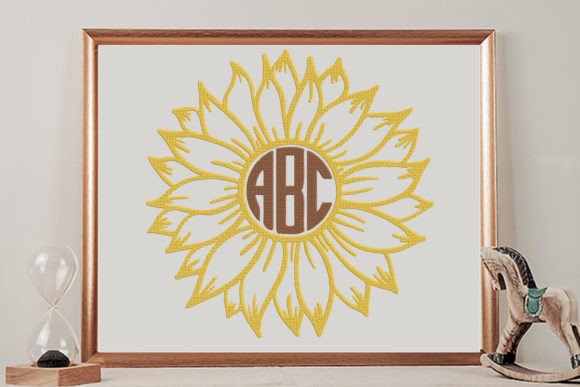
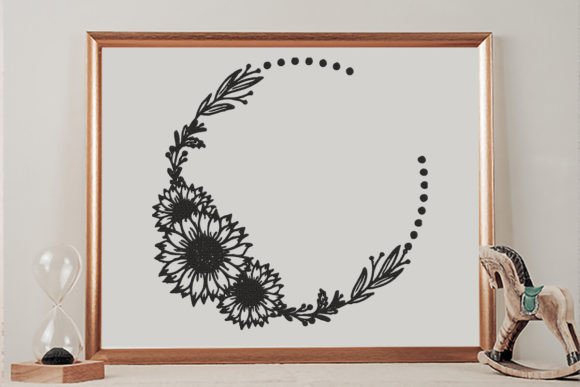
The first impression of the Sunflower Wreath, Monogram Frame is undeniably organic and welcoming. In the context of brand identity, this design communicates approachability, craftsmanship, and natural quality. For a local bakery, florist, pet grooming studio, or boutique café, this visual language aligns perfectly with customer expectations of a handmade product. Unlike rigid corporate logos, the circular flow of the sunflowers creates a soft frame that feels established yet friendly.
However, for businesses aiming for a sleek, modern, or high-tech image, this design may feel too traditional. It excels in markets where trust is built through warmth and personal connection. When used as a central element in custom apparel or packaging, it signals to the customer that the business values detail and tradition. The monogram capability transforms it from a generic floral clip-art into a proprietary brand mark, which is essential for building recognition in saturated Etsy markets or local retail environments.
Commercial Applications and Merchandise Versatility
The true value of this digital embroidery file lies in its adaptability across different revenue streams. Based on the description noting its suitability for pillows, tote bags, jackets, and framed artwork, we can extrapolate several high-value commercial applications:
- Tote Bag Design: This is perhaps the strongest application. The wreath scales beautifully to the large, flat surface of a canvas tote. It serves as an excellent "walking billboard" for farmers' markets or eco-conscious brands.
- Apron Embroidery: For hospitality staff or makers, placing the monogrammed wreath on the chest or pocket area of an apron adds a premium touch without overwhelming the garment. It unifies staff appearance while maintaining individual personality through unique monograms.
- Embroidered Patch Production: With proper digitizing adjustments, this design can be converted into a merrowed-edge patch. This allows businesses to create versatile branding assets that can be heat-pressed onto caps, beanies, or denim jackets without direct embroidery risks.
- Customer Gifts and Packaging: Stitching the design onto linen napkins, jar cozies, or gift tags elevates the unboxing experience. These low-cost add-ons significantly increase perceived value and encourage social media sharing.
- Framed Studio Art: As mentioned in the product notes, framing the finished piece creates instant decor for shop interiors, reinforcing the brand atmosphere physically within the retail space.
Technical Constraints and Production Cautions
While versatile, the Sunflower Wreath, Monogram Frame presents specific challenges for commercial embroidery production. Business owners must be realistic about where this design performs well and where it fails.
Scaling and Detail Loss
Sunflowers are inherently detailed flowers. If you attempt to shrink this design for a left-chest logo on a polo shirt or a small sleeve cuff, the petals and leaves may lose definition. High stitch density in a small area leads to thread breaks, fabric puckering, and illegible details. Always verify the minimum recommended size before purchasing. If the design cannot scale down below 4 inches without losing clarity, it is unsuitable for standard uniform placement and should be reserved for larger items like jackets or bags.
Cap and Curved Surface Embroidery
Although wreaths look great on caps, the physics of cap embroidery are unforgiving. A circular wreath must be digitized specifically for the curved buckram of a hat. If this file is a flat design, stitching it directly onto a structured cap will result in registration errors and gaps. Furthermore, ensure the vertical height fits within the safe sewing area of your specific cap frame. For caps, using this design as a pre-made embroidered patch is often safer and more consistent than direct stitching.
Fabric Texture and Stabilizer Requirements
The description mentions jackets and tote bags, which vary wildly in weight. On textured fabrics like terry cloth or heavy canvas, fine details in the sunflower petals can get lost. You must use appropriate stabilizer strategies—such as topping for textured goods and cut-away backing for stretchy knits—to maintain design integrity. Dark uniforms also pose a contrast challenge; ensure the thread colors selected provide enough luminance to stand out against navy or black fabric, otherwise, the branding becomes invisible.
Impact on Business Value and Customer Trust
Investing in high-quality design assets like this wreath directly correlates to perceived business value. In the handmade and small business sector, customers equate visual polish with product quality. A poorly executed, puckered, or generic design suggests amateurism. Conversely, a crisp, well-placed Sunflower Wreath, Monogram Frame suggests a business that cares about presentation.
This design also facilitates visual consistency across disparate products. By using the same wreath frame on your website banner, product tags, staff uniforms, and market signage, you create a cohesive ecosystem. This repetition builds memory structures in the buyer's mind, making your finished product instantly recognizable. For Etsy sellers, this consistency in listing photos and packaging is a key driver of conversion rates and repeat business.
Designer Notes for Pre-Production Testing
Before committing this embroidery file to a full production run, follow this professional testing protocol to protect your inventory and reputation:
- Verify Commercial Licensing: Never assume a design is cleared for business use. Check the license terms explicitly to confirm you can sell items embroidered with this design or use it for client work.
- Check Hoop Size Compatibility: Confirm the design dimensions fit your machine’s maximum sewing field. Resizing a design significantly can alter stitch counts and ruin the digitizing balance.
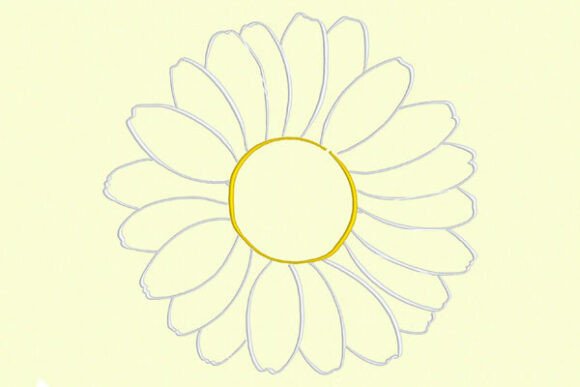
- Run a Black and White Test: Print a line drawing or stitch out in a single color first. This reveals the underlying structure and spacing without the distraction of color changes. If the skeleton looks weak, the colored version will fail.
- Test on Actual Substrates: Do not test only on stable cotton. Run samples on the exact fabric texture you intend to sell (e.g., the specific canvas tote or polyester apron). Adjust tension and stabilizer based on these real-world tests.
- Create a Printable Mockup: Before stitching expensive inventory, place the design digitally over product photos. Share this printable mockup with clients or focus groups to gauge reaction. This saves hours of hooping time if the placement or scale feels wrong visually.
- Audit Thread Contrast: View your chosen thread palette under both natural and artificial light. Colors that look distinct on screen may blend together in dim retail lighting or flash photography.
- Wash Test: If selling apparel or linens, wash and dry the sample three times. Check for thread shrinkage, color bleeding, or stabilizer residue. Durability is non-negotiable for branded merchandise.
The Sunflower Wreath, Monogram Frame offers significant potential for businesses in the Single Flowers category seeking to elevate their merchandise. By respecting its technical limitations and leveraging its inherent warmth, you can transform this digital file into a tangible asset that drives sales and strengthens customer loyalty. Always prioritize testing and quality control to ensure your commercial embroidery projects reflect the excellence of your brand.